
How to Care for Paintings – Tips for Preserving and Maintaining Your Artwork
As an artist, I understand the value of a well-preserved painting. Whether you own an original piece or a high-quality print, proper care is essential to ensure its longevity. Paintings are more than just decorations; they are investments, personal expressions, and cherished memories. In this guide, I will share my professional insights on how to properly care for and maintain your artwork so it remains beautiful for years to come.
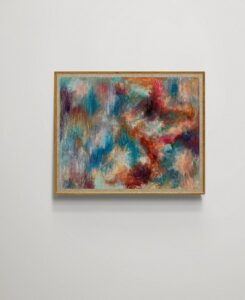
1. Proper Placement: Where to Display Your Paintings
The location of your artwork plays a crucial role in its preservation. Here are some key factors to consider:
-
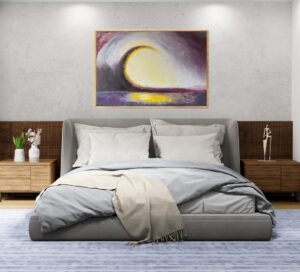
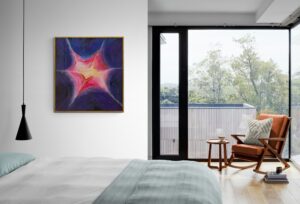
Avoid Direct Sunlight: UV rays can cause fading and deterioration of pigments over time. If you must place a painting near a window, use UV-protective glass or film.
-
Keep Away from Heat and Humidity: Avoid placing artwork above radiators, fireplaces, or in damp areas like bathrooms. Excessive heat and moisture can lead to warping, cracking, and mold growth.
-
Stable Environment: Ideally, paintings should be displayed in rooms with consistent temperature and humidity levels to prevent expansion and contraction of materials.
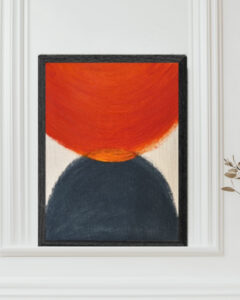
2. Cleaning and Dusting Paintings
Regular cleaning helps maintain the vibrancy of your artwork. However, it’s essential to use the right methods to avoid damaging the surface.
-
Dust Gently: Use a soft, dry microfiber cloth or a soft-bristle brush to remove dust. Avoid feather dusters, which can scratch delicate surfaces.
-
Never Use Household Cleaners: Chemical cleaners, water, or sprays can damage the paint and varnish.
-
For Glass-Protected Art: If your artwork is framed with glass, use a lint-free cloth and ammonia-free glass cleaner. Spray the cleaner onto the cloth, not directly onto the glass, to prevent moisture from seeping in.
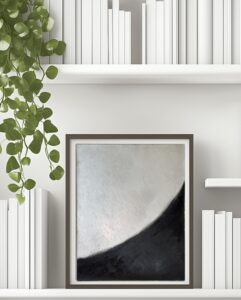
3. Framing and Protection
A good frame not only enhances the beauty of your artwork but also provides essential protection.
-
Use UV-Protective Glass: This is especially important for artworks displayed in well-lit areas.
-
Matting and Spacers: If framing a print or watercolor, ensure there is a spacer between the artwork and the glass to prevent condensation damage.
-
Secure Hanging Hardware: Use high-quality hooks and wires to prevent accidental falls. Consider earthquake-resistant hangers in areas prone to seismic activity.
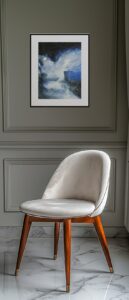
4. Handling Artwork Properly
When moving or handling paintings, it’s important to be extra careful to avoid physical damage.
-
Always Hold by the Frame: Avoid touching the painted surface to prevent transferring oils and dirt from your fingers.
-
Use Gloves if Necessary: If handling valuable or delicate artwork, consider wearing clean cotton gloves.
-
Transporting Art: Wrap artwork in acid-free paper or bubble wrap and use a sturdy box or crate to protect it from impact.

5. Protecting Against Moisture and Mold
Moisture is one of the biggest threats to paintings, leading to warping, mold growth, and paint deterioration.
-
Use a Dehumidifier: If you live in a humid climate, a dehumidifier can help maintain optimal humidity levels.
-
Avoid Storing Artwork in Basements or Attics: These areas often experience temperature fluctuations and high humidity.
-
Inspect for Mold: If you notice any mold or mildew, consult a professional conservator immediately.
6. Restoring and Repairing Artwork
Over time, even well-cared-for artwork may require restoration. If you notice cracks, discoloration, or other damage, seek professional help.
-
Do Not Attempt DIY Fixes: Using household products or repainting damaged areas can further harm the artwork.
-
Consult a Conservator: A professional can clean, restore, and repair artwork using appropriate methods and materials.

7. Storing Artwork Safely
If you need to store your paintings for a period, proper storage techniques are crucial to prevent damage.
-
Store Paintings Upright: Never stack paintings on top of each other to avoid pressure damage.
-
Use Acid-Free Materials: Wrap paintings in acid-free paper or archival-quality materials.
-
Climate-Controlled Storage: If possible, store artwork in a climate-controlled space with stable temperature and humidity levels.
Final Thoughts
Taking care of your paintings is essential to preserving their beauty and value. With proper placement, cleaning, and handling, your artwork can last for generations. Whether you own an oil painting, an acrylic masterpiece, or a fine art print, following these steps will help ensure its longevity. Explore my collection to find stunning, high-quality artwork that you can cherish for years to come!
More art related articles you can find here: https://angelicafom.com/art-articles/
Products
-
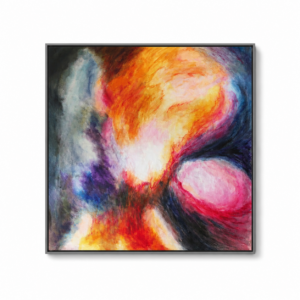 Rhapsody of Light | Large Abstract Painting
9800,00 $
Rhapsody of Light | Large Abstract Painting
9800,00 $
-
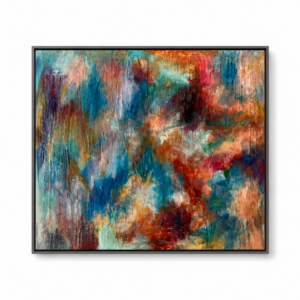 Venice | Abstract Green Painting
990,00 $
Venice | Abstract Green Painting
990,00 $
-
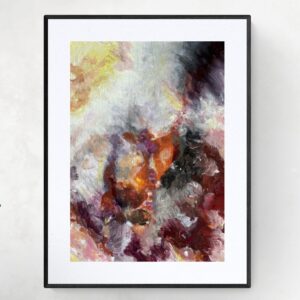 Intensity in Red, Orange, Brown, and Grey | Abstract Art
680,00 $
Intensity in Red, Orange, Brown, and Grey | Abstract Art
680,00 $
-
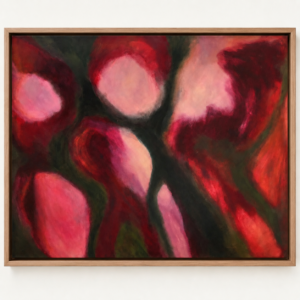 A Dance of Luminous Portals | Red & Green Abstract Painting
9800,00 $
A Dance of Luminous Portals | Red & Green Abstract Painting
9800,00 $
-
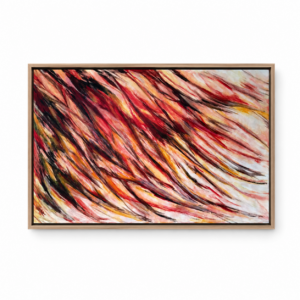 Crimson Serenade | Red Original Painting
9800,00 $
Crimson Serenade | Red Original Painting
9800,00 $
-
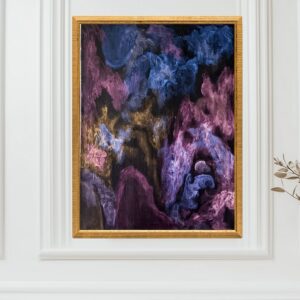 Pearlescent Dreams | Pearlescent Paint Painting
590,00 $
Pearlescent Dreams | Pearlescent Paint Painting
590,00 $
-
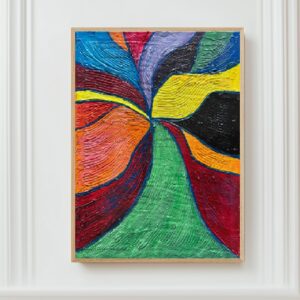 Vivid Currents | Textured Art | Textured Painting
890,00 $
Vivid Currents | Textured Art | Textured Painting
890,00 $
-
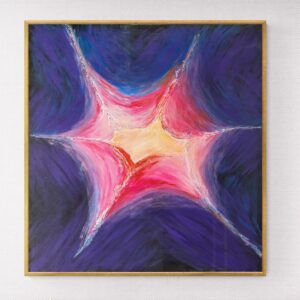 Stellar Tapestry | Extra Large Wall Art | Textured Painting
1800,00 $
Stellar Tapestry | Extra Large Wall Art | Textured Painting
1800,00 $
-
 Mountains Becoming Light-Silver landscape painting
99,00 $
Mountains Becoming Light-Silver landscape painting
99,00 $
-
 Glimmer Below the Great Blue
790,00 $
Glimmer Below the Great Blue
790,00 $
-
 Under the Pressure of Clouds
200,00 $
Under the Pressure of Clouds
200,00 $
-
 Island of Two Souls | Romantic Oil Painting on Canvas
690,00 $
Island of Two Souls | Romantic Oil Painting on Canvas
690,00 $
-
 River of Light | Textured Oil Painting on Canvas
990,00 $
River of Light | Textured Oil Painting on Canvas
990,00 $
-
 Holy Grail | Oil on Canvas | Symbolic Abstract Painting for Sale
490,00 $
Holy Grail | Oil on Canvas | Symbolic Abstract Painting for Sale
490,00 $
-
 Blossom of Fire and Water | Abstract Flower Painting on Canvas | Colorful Modern Wall Art
990,00 $
Blossom of Fire and Water | Abstract Flower Painting on Canvas | Colorful Modern Wall Art
990,00 $