
The Power of Blue in Art: Symbolism and Meaning
Blue has long been one of the most significant and beloved colors in art. From the deep, mysterious shades of ultramarine to the calming tones of sky blue, this color carries a range of meanings and emotional effects. As an artist, I often turn to blue to evoke specific feelings, whether it’s serenity, introspection, or boundless imagination. In this article, I will explore the symbolism of blue in art, its psychological impact, and how you can use it effectively in your space.

The Symbolism of Blue in Art
Throughout history, blue has carried profound symbolic meanings across different cultures and artistic movements. Some of the most common interpretations include:
Tranquility and Peace – Blue is often associated with calmness, making it a popular choice for creating soothing atmospheres in paintings.
Depth and Mystery – Deep blues, such as cobalt or Prussian blue, can evoke a sense of infinity and contemplation.
Spirituality and Divine Connection – In religious art, blue is frequently used to represent the heavens, the Virgin Mary, and divine protection.
Melancholy and Emotion – Many artists have used blue to express solitude, nostalgia, or introspection, famously seen in Picasso’s Blue Period.
Power and Prestige – Historically, ultramarine was one of the most expensive pigments, reserved for royalty and sacred figures.
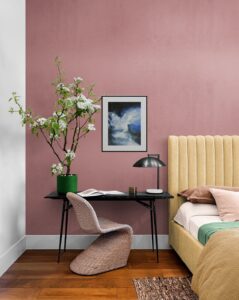
The Psychological Effects of Blue
Color psychology suggests that blue can influence mood and behavior in powerful ways. Understanding these effects can help both artists and art collectors make the most of this hue:
Calming and Stress-Relieving – Lighter blues are known to lower heart rates and reduce stress, making them ideal for bedrooms and relaxation spaces.
Enhancing Focus and Productivity – Deeper blues can improve concentration, which is why many workspaces and offices incorporate blue tones.
Creating a Sense of Space – Blue has a receding quality, making rooms feel larger and airier when used in decor.

Famous Uses of Blue in Art
Many renowned artists have harnessed the power of blue to convey meaning and emotion:
Pablo Picasso – His Blue Period (1901–1904) is a striking example of using blue to depict sorrow and introspection.
Yves Klein – Known for developing “International Klein Blue,” a mesmerizing ultramarine that became his signature.
Vincent van Gogh – In works like The Starry Night, blue is used to create movement and emotion.
Claude Monet – His water lilies and impressionist landscapes use soft blues to convey serenity and natural beauty.
How to Incorporate Blue Artwork into Your Home
If you’re looking to add blue paintings to your space, here are some tips:
For a calming effect, choose soft blue floral paintings or abstract pieces for bedrooms and meditation areas.
To make a bold statement, opt for deep blue modern art in living rooms or offices.
Mix with warm tones like gold, beige, or terracotta for a balanced and inviting look.
Consider coastal themes if you love seascapes and want to bring a fresh, airy vibe to your home.

Discover My Collection
If blue resonates with you, I invite you to explore my collection of blue-themed paintings. Whether you are drawn to peaceful abstract pieces, vibrant seascapes, or deep emotional artworks, you will find something that speaks to your soul. Click on any painting you love or visit my Art Shop to find the perfect addition to your space!
More art related articles you can find here: https://angelicafom.com/art-articles/